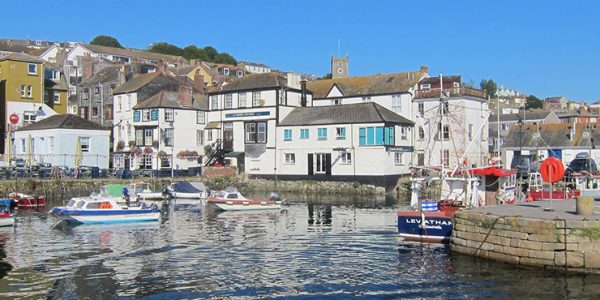
The wild Cornish native oyster (Ostrea edulis) has been harvested for over 500 years in the Fal Estuary. It is famously the last commercial oyster fishery in Europe—and the world—that still relies exclusively on traditional sail and oar power. You can watch oysters being dredged by the local Working Boats under sail in Carrick Roads and under oar further up-river.
Oysters from the Truro and Fal rivers were gathered as far back as Roman and Phoenician times. When East of England oyster stocks crashed in the 1840s, demand and prices for Fal oysters surged, drawing up to 150–200 boats at a time to the estuary. Overfishing threatened the beds by the 1860s, leading the Truro Corporation to pass strict conservation byelaws under the Sea Fisheries Act of 1868. These laws banned mechanical dredging, restricted fishing times, and mandated hand-hauled, non-toothed dredges. The enforced sailing rules gave rise to the iconic gaff-rigged wooden cutters known as the Falmouth Working Boats that you can see most days during the oyster season, Oct 1-March 31, weather permitting.
Sadly, overfishing and disease decimated Ostrea edulis stocks nationally and the government introduced the Pacific Rock Oyster (Crassostrea gigas) from Japan in 1965. Scientists believed the UK’s cold waters would prevent them from breeding naturally, keeping them confined to commercial farm mesh sacks. However, as sea temperatures rose above the crucial 16–18°C spawning threshold, the Pacific oysters began reproducing at an explosive rate (a single female can release up to 200 million eggs). Feral populations quickly escaped farms and established themselves across Cornwall’s shores and spread into the Fal.
Unlike the native oysters that sit quietly on the riverbeds, Pacific oysters grow aggressively on rocks and mudflats in the intertidal zone. They form thick, razor-sharp “bio-reefs” that can smother local wildlife habitats, alter shorelines, and create a physical hazard for beachgoers and boaters. Local conservation groups like Falmouth Marine Conservation run regular volunteer culls to manage the population. Why not join them during your stay? You too could help cull Pacific Oysters by bashing them open on the harbour walls, in places like Flushing, and providing delicious treats for Falmouth’s oyster loving gulls.